1
The product or project
A link if it’s public, or a short non-confidential summary.

Practical guidance on SaaS architecture, web and mobile product development, DevOps, integrations, and the operational decisions that shape useful software.
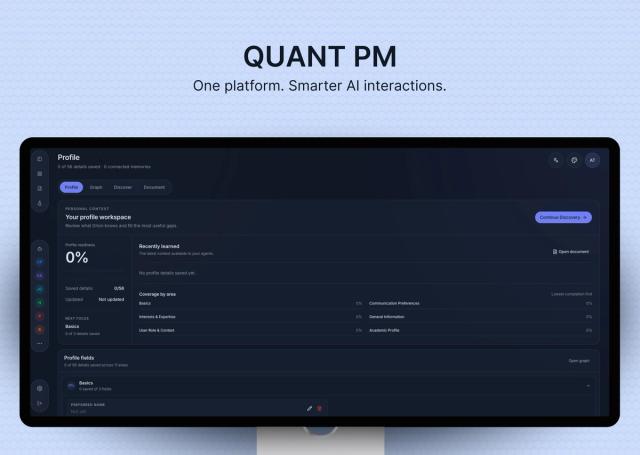
A reliable AI product needs more than a chat window. Learn how visible profiles, source-aware retrieval, permissions, and focused next actions make agent context useful.
Read the article →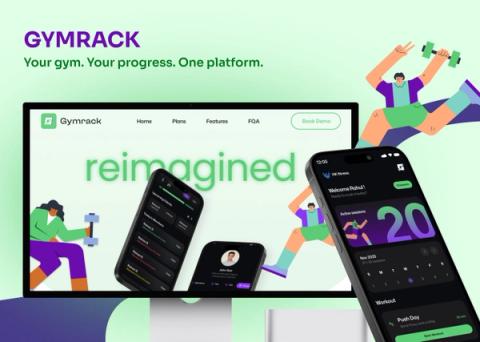
Most gym software leads with billing. Here's what changes when you design a gym platform around attendance, trainer coordination and member progress instead — and what building your own product taught us about it.
Read →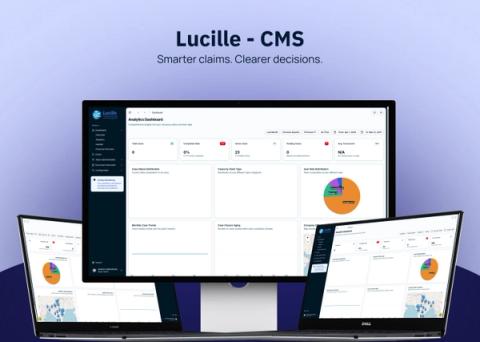
Claims software for surveyors works when intake, assignment, evidence, documents, and decisions share one controlled case record instead of five disconnected tools.
Read →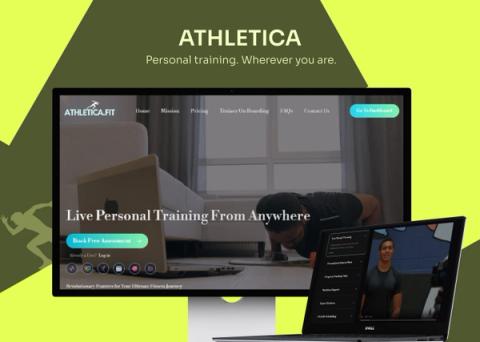
Progress tracking should help a member and coach decide what happens next. Workout history, nutrition, calendars, and profile metrics need clear ownership and a practical review workflow.
Read →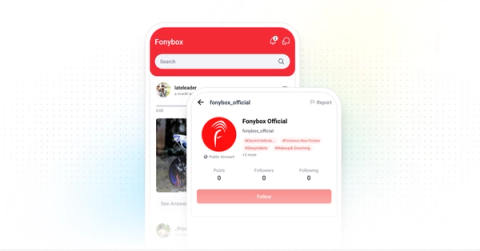
Audio-first social products work when speaking solves a real community problem, not when voice is added as a novelty. Build around a clear discovery model, reliable recording and playback, group conversations, and the safety controls needed for people to return.
Read →Live fitness coaching apps need clear rules for availability, booking, payment, session access, rescheduling, and coach context. Video is only one part of the service workflow.
Read →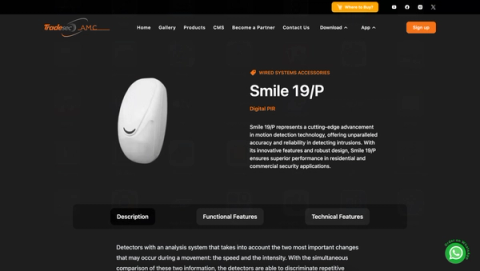
Residential, commercial, and industrial intrusion alarms share core components but demand different site surveys, detection plans, response workflows, and maintenance thinking. Use the property and its daily operation to choose the system, not a generic product list.
Read →A community feed is only useful when people can quickly understand why the next conversation is relevant. Interest selection, locality-aware context, and clear group boundaries create better discovery than a generic stream of posts and profiles.
Read →A security-equipment website must let non-specialists learn, technical buyers compare, and partners enquire without treating every visitor as the same kind of customer. Build separate paths around the decision each audience is trying to make.
Read →An online personal training platform works when onboarding, trainer availability, live sessions, payments, and member progress are one dependable workflow rather than a collection of disconnected tools.
Read →A security catalogue should help buyers move from a property problem to the right system conversation. Organize discovery by security need, property type, and technical component without turning the site into a wall of part numbers.
Read →A locality-aware voice community cannot bolt safety on after launch. Location permissions, reporting, group roles, moderation queues, and exit controls must be designed alongside discovery and real-time conversation features.
Read →
A travel marketplace and a booking engine solve different problems. Compare supply, booking, payment, support and operational workflows before choosing the first product to build.
Read →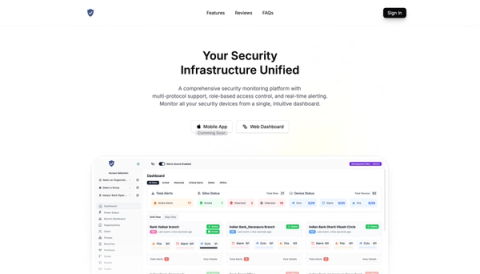
What actually drives the cost of a custom security monitoring platform for a bank — and why global PSIM pricing doesn't translate directly to an Indian branch rollout.
Read →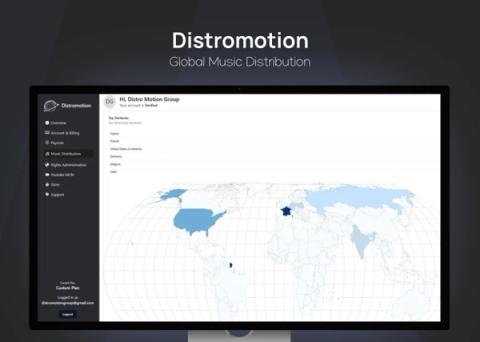
Music royalty software must connect rights, contributor shares, store reporting, territory rules, statements and payment workflows without hiding the logic from artists or labels.
Read →Travel booking app development is more than checkout. The product must connect discovery, payment verification, trip management, messaging, notifications and support for travellers and hosts.
Read →How banks unify SIA DC-09, Contact ID, MQTT, and proprietary alarm protocols into one dashboard without replacing the panels already installed at each branch.
Read →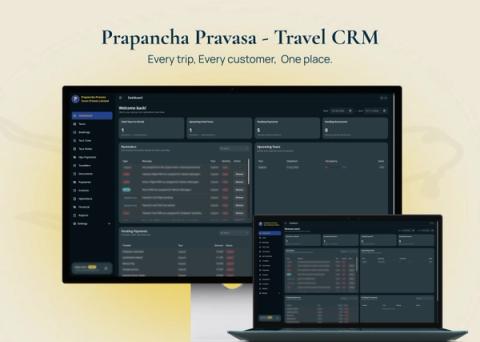
Tour operator software should connect bookings, travellers, rooms, payments, documents, reminders and reporting in one operational workflow. This guide explains where generic booking tools stop and a real back-office platform begins.
Read →
SvelteKit and Tailwind CSS give a client-provided Figma design a maintainable production foundation while preserving its layout, components, responsive behavior and interactive states.
Read →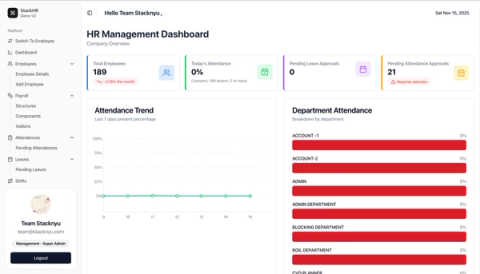
Off-the-shelf HRMS platforms fail quietly on branch-specific pay rules, shift timings, and holiday calendars — here's where and why.
Read →What RBI's Cyber Security Framework actually requires for bank branch physical security monitoring, and how the two-to-six-hour incident reporting clock changes what monitoring has to mean.
Read →An itinerary builder is useful only when it stays connected to booking, payment, document and operations data. This guide explains the workflow travel agents should design before choosing or building one.
Read →Why most HR systems handle document storage but not document management — and what auto-expiry tracking needs to actually do.
Read →A practical comparison of outsourced Central Monitoring Systems and in-house security platforms for banks — what changes, what it costs, and how to decide.
Read →How PF, ESI, Professional Tax, and LWF compliance actually works across a multi-branch, multi-state payroll system in India.
Read →The cost of a music distribution platform depends on delivery workflows, catalog data, rights logic, artist dashboards, label permissions, payment operations and partner integrations.
Read →A travel marketplace platform must connect hosts, packages, travellers, bookings, payments and support. This guide covers the product workflows that make the marketplace usable and trustworthy.
Read →What actually drives the cost of a custom HRMS for a multi-branch company in India — rule complexity, not headcount, moves the price.
Read →Travel CRM and back-office software solve different parts of the agency workflow. This guide explains where leads, itineraries, bookings, invoices, supplier payments and reporting should live.
Read →A music distribution platform should connect artist uploads to store delivery, release scheduling, ownership, label permissions, royalty visibility and reliable partner integrations.
Read →A client-provided Figma file becomes a production website when SvelteKit and Tailwind CSS preserve the visual system, responsive behavior and interactive states across the full page set.
Read →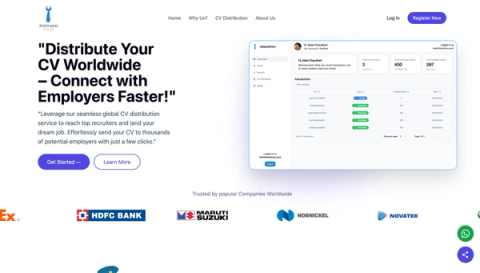
Job portal development cost depends on the workflow behind the listings. This guide breaks down CV upload, credit wallets, payments, email delivery, recruiter distribution and admin operations.
Read →An ATS manages an employer hiring pipeline while a job board publishes opportunities. The right custom platform depends on whether your core workflow is recruiting operations, candidate discovery or paid distribution.
Read →A CV distribution platform needs more than upload and email. It needs a credit ledger, recipient rules, delivery states, payment handling and an admin workflow that can explain every action.
Read →A claim reference number looks like a small detail until it's wrong. Here's how to design one that holds up as a firm scales across offices, insurers and years.
Read →Most claims software is built for insurance carriers, not the firms that survey and assess claims on their behalf. Here's what surveyor and loss-assessor firms actually need from a back-office system.
Read →What actually drives the cost of a custom claims management build — and why most published estimates are sized for insurance carriers, not for a surveyor firm, TPA, or mid-size claims operation.
Read →Nearly every guide to insurance software concludes that cloud is the right choice. This is the honest case for the exception — and what network-restricted claims software actually looks like to build.
Read →
Capacitor lets web-focused teams ship iOS and Android apps with native APIs when the product, performance budget, and native work all fit the approach.
Read →
AI coding assistants can help with focused work, but speed only matters when review, testing, architecture, and ownership remain human responsibilities.
Read →
Payout integration is a product, ledger, provider, operations, and compliance decision. Use this checklist before treating a payment API as a finished settlement system.
Read →
Vite improves the local development loop through native ESM, on-demand source serving, and fast updates, but it does not remove production engineering work.
Read →
Choose a technology stack by testing the product constraints, operating model, team capability, security needs, and change costs instead of starting with a fashionable framework.
Read →Deal us three cards. A short, non-confidential brief is enough to start, and we reply with what a useful first change could look like.
A link if it’s public, or a short non-confidential summary.
The bug, integration, release or workstream that needs an owner.
Or the milestone you’re working toward.
No repository access, credentials or client material needed in the first message.