SPACE 01 · SELECTED WORK
What we've shipped
Three builds. Each property on this side of the board is one project.

We build and improve SaaS products, mobile apps, and business platforms. Whether you’re shipping your own product or delivering for a client, we can take responsibility for a defined part of the work.
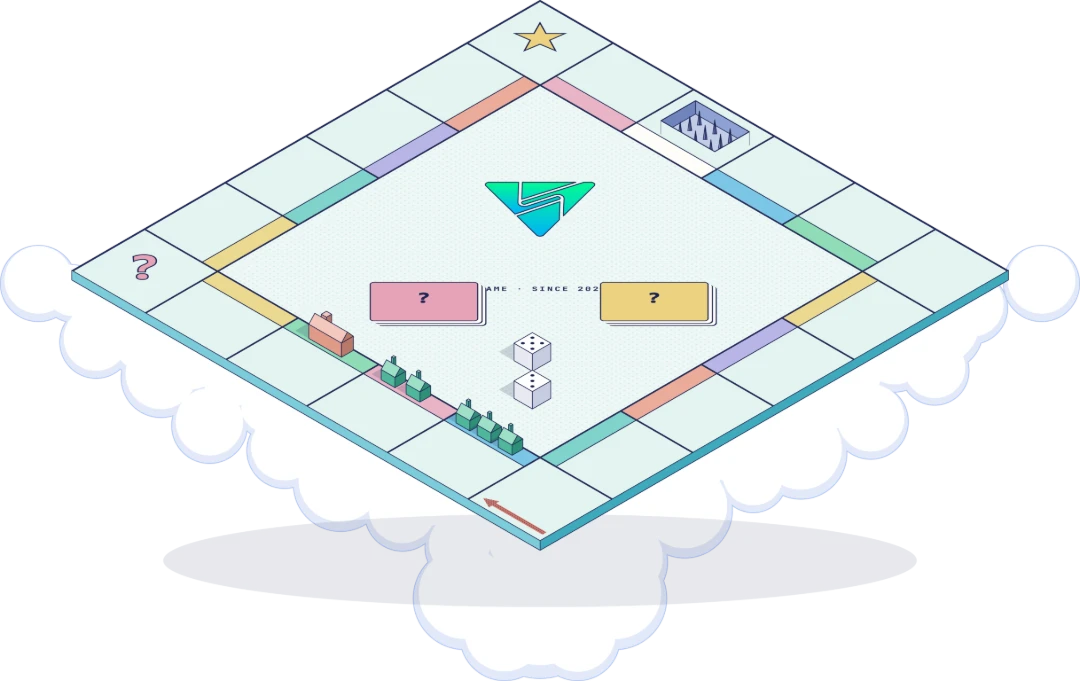
Three builds. Each property on this side of the board is one project.
Bugs interrupt feature work, an integration can’t get out of the backlog, or release testing takes too much of the team’s time.
Designs are ready, a workstream needs an owner, or a client’s old application needs more attention.
From a new SaaS product or mobile app to a feature in an existing system, tell us what needs to work and who will use it.
We agree a useful first change or workstream, who owns what, and how the result will be accepted.
Work is implemented, reviewed and tested in the workflow agreed with you.
You approve the release or handoff: code, documentation, or the other items we agreed.
“If you are looking for a reliable partner to build software products or services, I strongly recommend Stacknyu.”
A public product link or a short brief is enough to start. Tell us what needs to change and who it will help.
Show us the product, the workflow or the design you’re starting with. We’ll use what’s already there to plan the next change.
Together we choose a feature, fix or workstream small enough to review and useful enough to make a difference.
Agree what the result should do, who will review it and what needs to pass before it ships.
Start with the brief. Agree what done looks like. Build, review, and hand over.
Review working changes as they’re ready. We show what’s done and agree any decisions that change the brief.
We run the checks we agreed on, so your team can see how the result measures up before approving release.
Your team gets the code, notes or other handoff items we agreed on, with the next steps clear.
Deal us three cards. A short, non-confidential brief is enough to start, and we reply with what a useful first change could look like.
A link if it’s public, or a short non-confidential summary.
The bug, integration, release or workstream that needs an owner.
Or the milestone you’re working toward.
No repository access, credentials or client material needed in the first message.