Build the first useful release. Know what belongs in it.
For founders preparing to hire a development team, not just collect feature ideas. Bring the customer problem, the first workflow and the constraints you know. We help define a buildable scope around a real use case, with the backend and operating work that release requires.
Products with more behind them than a landing page.
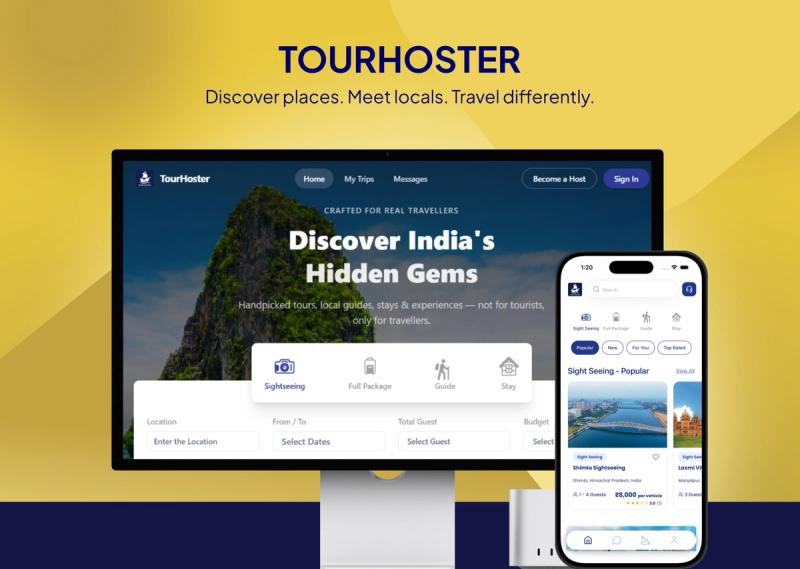
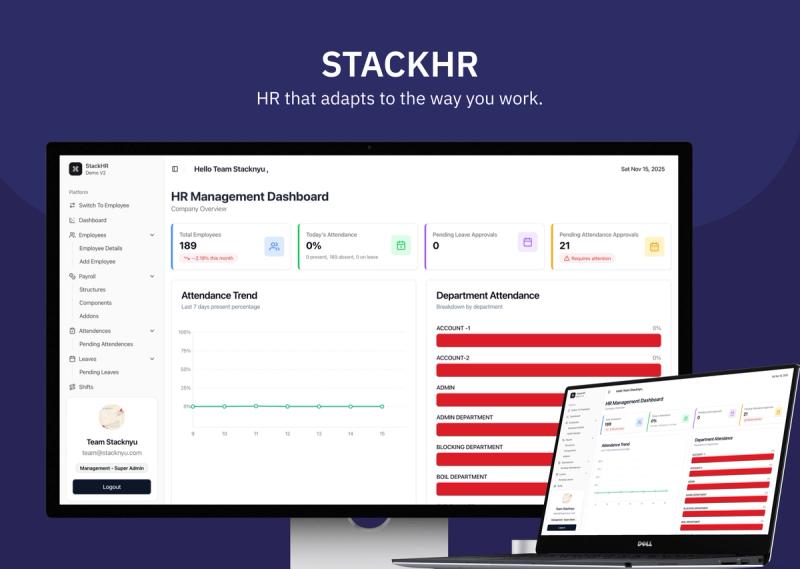
Inspect the public case studies for the workflows and engineering involved. These show delivery capabilities, not a promise that your MVP needs the same scope or will produce the same results.
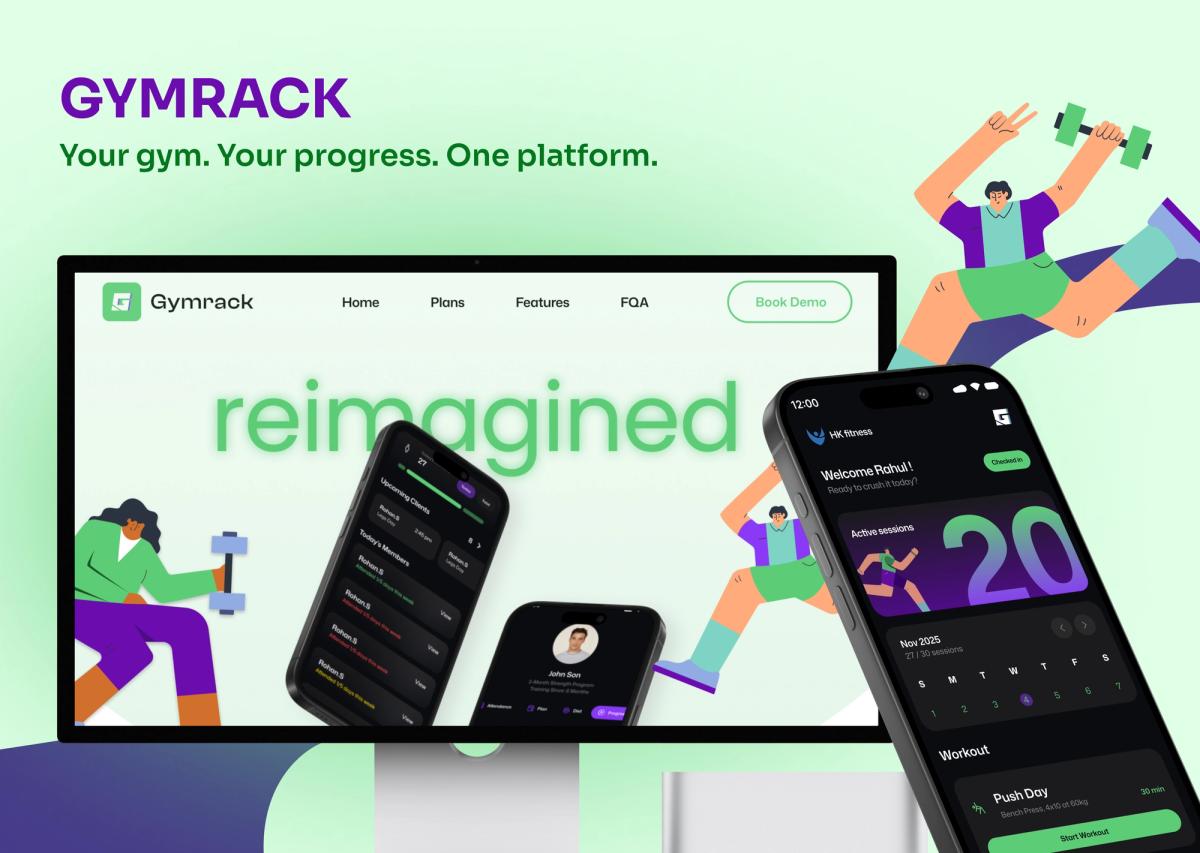
Gymrack – Gym Management and Progress Platform
We operate a product of our own, too
Gymrack is Stacknyu’s own platform, not a client project. Its admin and member apps connect attendance, memberships, billing, and progress.
Describe who needs the product, what they do today and the single workflow the first release should improve.
02
Choose the first scope
Discuss must-have behaviour, integrations, constraints and what can wait. Separate a prototype for learning from a release for real users.
03
Agree the delivery boundaries
Establish acceptance criteria, assumptions, milestones and an estimate before committing to development.
Let's make it real
Tell us about the first release.
Who will use the product, what should they accomplish and why are you commissioning it now? Share your role, must-have workflows, target timing and investment range if known. A short, concrete brief is more useful than a long feature wishlist.
For founders moving from an idea to commissioning work.
Good fit
✓You can describe the intended customer and a concrete problem.
✓You are preparing to hire a team and discuss the investment and delivery trade-offs.
✓A decision-maker can participate in choosing the first-release scope.
Not a fit
−You only want free idea validation or an instant quotation without a scope discussion.
−A prototype, manual service or existing tool can answer the immediate question more cheaply.
−You expect a complete commercial platform to be built from an undefined feature list.
Before you enquire
Questions & answers
Do I need a full specification?
No. A useful starting brief explains the users, their problem, the core workflow and any known constraints. Missing details can be discussed before a scope is agreed.
Should I build an MVP before validating the idea?
Not always. Interviews, a manual service or a simple prototype may answer the immediate question with less investment. A custom build makes more sense when there is a specific workflow to deliver and a reason existing tools do not fit.
Will I get a fixed quote in one business day?
Not as a blanket promise. We need to understand the users, workflows, integrations and constraints. A preliminary discussion is not the same as an agreed fixed scope, price or delivery date.
Can the product grow after the first release?
The first scope should account for known constraints without building speculative features. Later releases are separate decisions based on usage, priorities and the work needed. No particular growth or commercial result is guaranteed.