
An intrusion alarm is not one product class with one correct setup. Residential, commercial, and industrial properties can all use a control panel, detection devices, an arming interface, a communicator, and a response path. What changes is the site: who enters, when areas are occupied, which entry points matter, how alarms are verified, and who acts at 2am. Choose the system around those conditions, not around a marketing label.
Who This Is For
- Homeowners comparing a simple alarm with a professionally designed system.
- Business owners, facilities managers, and procurement teams protecting offices, stores, or warehouses.
- Industrial-site teams dealing with shutters, yards, changing layouts, dust, vibration, and off-hours access.
- Security installers and distributors explaining why a survey should come before a final equipment list.
The five parts of an intrusion-alarm system
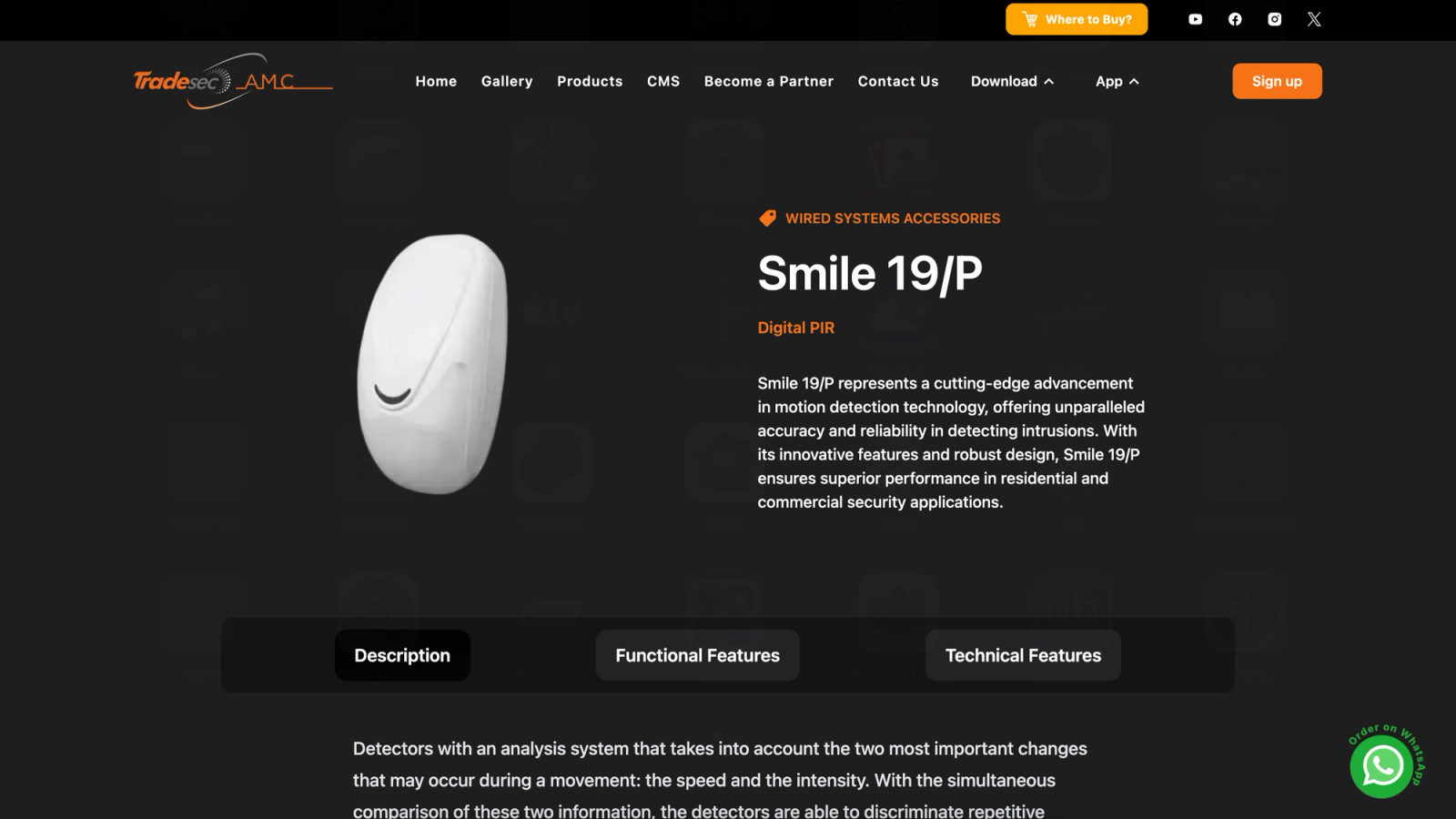
Most systems bring together five roles. The control panel receives and interprets events. Detection devices include door contacts, motion detectors, glass-break detectors, shock sensors, beam sensors, and other specialised inputs. An arming interface can be a keypad, fob, app, or access-controlled workflow. A communicator sends signals to named contacts or a monitoring service. The response path defines what happens after an event. A design fails when one of those five roles is treated as an afterthought.
The catalogue should make this relationship visible. A visitor selecting a sensor should be able to understand which panel family, communicator, power arrangement, and maintenance consideration surround it. This is more useful than a page that treats every device as a standalone purchase.
Residential alarm systems: clarity and everyday use
A residential system usually begins with entry points, internal circulation, and the routines of the people who use the home. Door and window contacts, motion detection, a keypad or app, and a clear alert route can cover the basic brief. The important design question is not how many devices look impressive. It is whether ordinary use leads to correct arming, sensible zones, and a response someone will actually see.
Wireless equipment can be attractive when cabling would disrupt finished interiors. That does not make it automatically right for every property. Signal conditions, battery maintenance, device placement, and future additions still deserve a survey. A wired, wireless, or hybrid choice should come from the building and the desired lifecycle, not from a claim that one architecture is always modern or always reliable.
Commercial alarm systems: the building keeps changing
A commercial property often introduces multiple users, opening hours, staff-only areas, public access, stock rooms, rear doors, shutters, and changing tenants. A system must account for which zones remain active while staff work elsewhere. It may also need to sit beside CCTV and access control so an alarm event has a clearer operational meaning.
The right early questions are practical: Which doors and rooms need protection? Who can arm and disarm the system? Is there a site manager overnight? Is the building empty for long periods? What happens if a named contact misses an alert? These questions shape the response workflow before a panel or detector is selected.
Industrial alarm systems: environment is part of the specification
Industrial sites create conditions that a domestic product page can hide: dust, heat changes, vibration, forklift routes, loading bays, roller shutters, open yards, high ceilings, stored goods, and regularly altered layouts. Those conditions can change detector selection, zone planning, physical protection, and maintenance requirements. The cheapest device can become expensive when nuisance activations or difficult access make the system hard to trust.
A robust industrial conversation considers internal areas and the perimeter together. Door contacts may suit pedestrian and shutter access. Motion detection can cover circulation and storage. Shock or vibration detection can provide earlier warning on vulnerable entry points. Beam or boundary detection may matter around exposed areas. The site survey decides which combination is useful; a generic package cannot do that work.
Monitoring, maintenance, and false alarms
The choice between local sounders, direct app alerts, and monitored response is a business decision as much as a hardware decision. A local alarm can be appropriate where someone can respond quickly. Direct alerts depend on a person noticing them. Monitored arrangements can create a defined response chain, but they also require clear procedures and ongoing maintenance.
False alarms deserve direct treatment. A detector placed in the wrong environment, a poorly maintained battery, an uncontrolled access routine, or a response plan nobody understands can erode trust in the entire system. Good design reduces those risks through placement, zoning, training, test procedures, and maintenance rather than promising that any system will never generate a false event.
When a simpler system is the better answer
Do not over-specify an alarm because a site sounds important. A low-risk, occupied, small property with clear attendance may need a simpler design than a vacant warehouse with multiple access points. Buy off-the-shelf when the risk is well understood, the product range is compatible, and there is no need for a bespoke integration or complex response workflow. Use a custom design when the property, operations, or future expansion make a standard package hard to operate safely.
Case in Point
Stacknyu's published security-systems website case study was built for a company serving residential, commercial, and industrial security needs. The website separates product discovery from sector-specific solutions, then supports education through a blog and conversion through enquiry paths. That is a useful website pattern because the same component can mean something different to a homeowner, facilities manager, or industrial-site team.
Frequently Asked Questions
What is the difference between a residential and commercial intrusion alarm?
Residential systems usually prioritise simple everyday use and common entry points. Commercial systems often need multiple users, zones that operate during business hours, more varied access routes, and a defined response workflow. The actual difference comes from the property and operations, not simply the brand of panel.
Are wireless alarms suitable for commercial properties?
They can be. Wireless or hybrid systems can reduce installation disruption in finished offices, shops, and retrofit projects. The decision still depends on survey results, signal conditions, device placement, battery maintenance, growth plans, and how the building is used. A wired option can remain sensible where cable routes are practical.
What should an industrial alarm survey include?
It should examine entry points, shutters, yards, loading areas, internal circulation, high-value zones, environmental conditions, existing systems, user routines, and the desired response after an event. That creates a design brief before individual detectors or panels are compared.