Workout and nutrition tracking are useful in a coaching app only when they help a member and trainer make a better next decision. A dashboard that stores every entry but does not show what changed, what needs attention, or who can act on it becomes another task. Start with a small, dependable record of workouts, plans, progress, and nutrition, then define how that record informs coaching.
Who This Is For
- Coaching teams designing a member dashboard beyond live-session access.
- Personal trainers who need a shared view of completed workouts and assigned plans.
- Fitness products combining workout progress, nutrition, and coach accountability.
- Teams deciding what sensitive fitness information should be visible to trainers.
Track the data that changes a coaching decision
A useful starting model includes an assigned plan, completed workout history, a calendar or timeline, and a way to record the member information the coaching program actually needs. Nutrition should not be added merely because it sounds comprehensive. Decide whether the product supports a full meal record, plan adherence, simple check-ins, or coach-set guidance, and ensure the interface explains that choice.
Make progress visible without turning it into noise
Visual analytics and calendars work when they answer a member's practical questions: What did I complete? What is due next? Is a pattern changing? The coach may need a different view: missed sessions, a trend needing discussion, or the history behind a plan change. Avoid dashboards that show many charts with no decision attached. An empty metric can make people feel judged without helping them continue.
Set clear data ownership and privacy boundaries
Fitness and nutrition records can be sensitive. Define what the member enters, what the trainer can view, what notes are private, how data is corrected, and how access changes when the coaching relationship ends. Collect only what supports the service. A concise privacy boundary makes the product more trustworthy than a long form that asks for every possible metric.
Do not pretend tracking replaces coaching
Tracking can support consistency and help a coach see context between sessions, but it cannot diagnose injuries, replace qualified clinical advice, or guarantee an outcome. For a self-directed user, a focused workout tracker may be the better answer. A coaching product earns its additional complexity when the shared record makes human guidance more timely and specific.
Case in Point
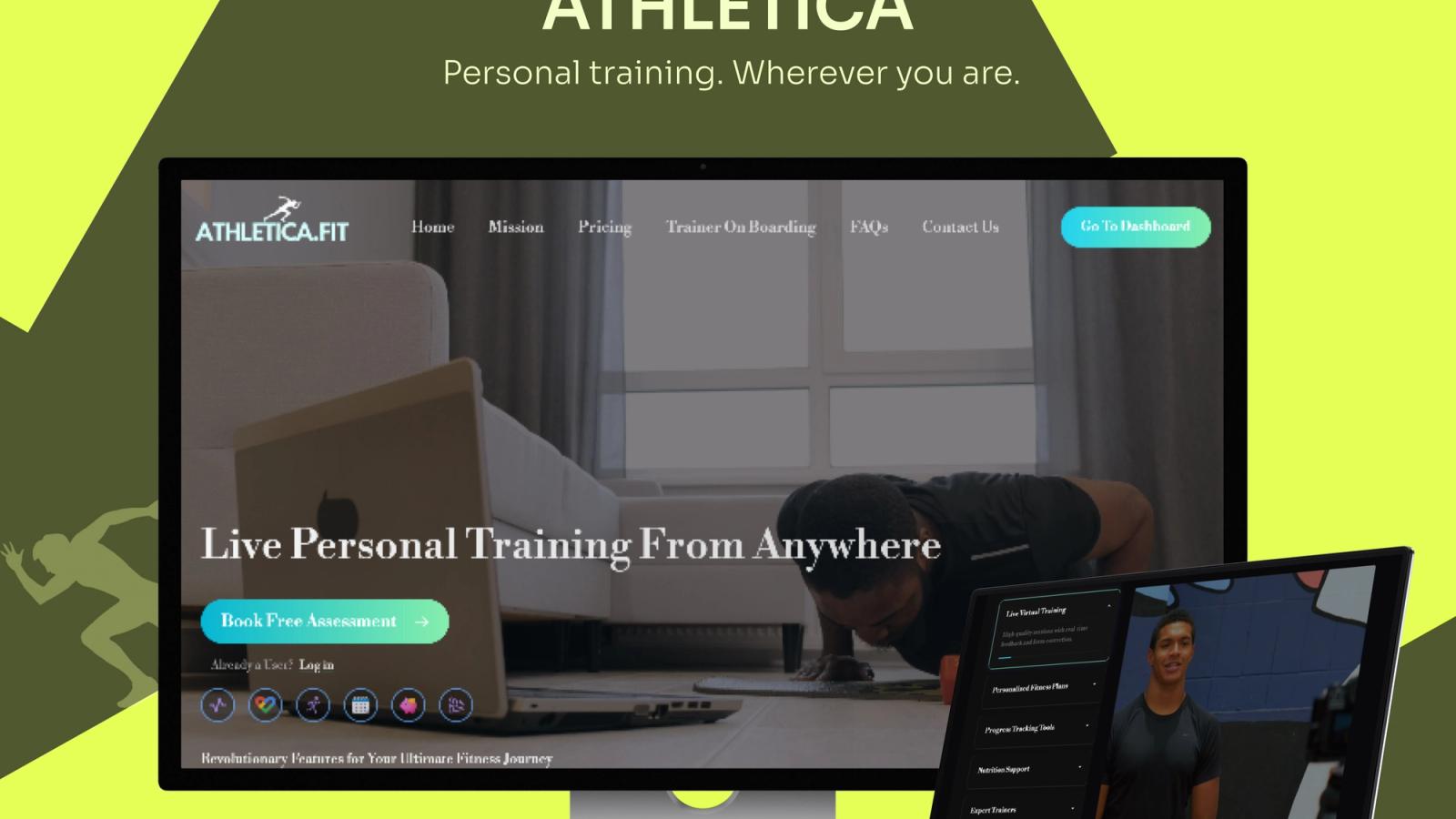
Athletica's published case study describes a personalised member dashboard with workout history, visual progress analytics, an interactive calendar, profile metrics, and nutrition tracking alongside live training. This is a useful example of the right sequence: record the member journey after sign-up and checkout, then make it available in the coaching context rather than treating progress as an isolated feature.
Frequently Asked Questions
What should a personal-training app track?
Track the information needed to run the agreed coaching service: plans, workouts, attendance, relevant progress, and the nutrition workflow the program actually supports. Give members a clear view of what is collected and give trainers only the access necessary to coach responsibly. Start small enough that both sides can keep records current.
Should nutrition tracking be built into a coaching app?
Only when it matches the service and the team can define the right privacy and review model. Some programs need structured nutrition plans or check-ins; others should integrate with an existing specialist tool or keep the focus on training. A useful product avoids duplicating a complex feature without a clear coaching workflow behind it.
Related Reading
How to Build an Online Personal Training Platform
Live Fitness Coaching App Development: Sessions, Schedules, and Subscriptions