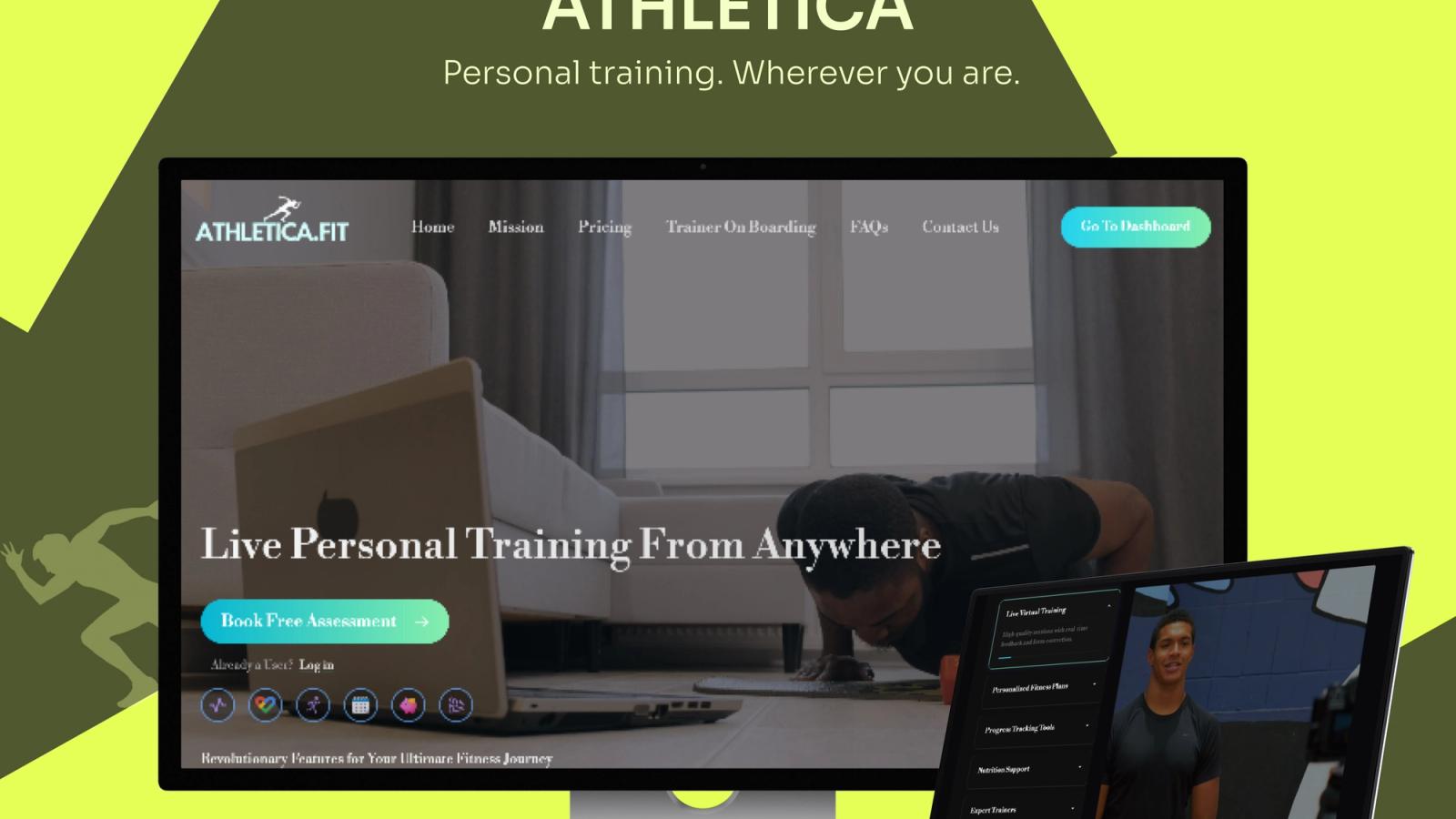
An online personal training platform is not simply a video-call page with a checkout button. A dependable product connects member onboarding, trainer availability, session scheduling, payment status, live-session access, workouts, nutrition, and progress in one workflow. The first release should make the next correct action obvious for both the member and the coach, then leave room for the business to extend its plans, trainer network, and coaching model.
Who This Is For
- Fitness businesses moving from manual trainer scheduling and scattered payment records.
- Coaching businesses that need membership, sessions, progress, and nutrition to share the same member record.
- Platforms matching members with qualified trainers across locations and time slots.
- Product teams deciding whether their coaching model needs a custom member experience.
Map the member journey before selecting features
Start with the journey, not a feature checklist. A member needs to sign up, share the preferences a coach can act on, select a plan, pay, see what happens next, attend a session, and understand their progress between sessions. A trainer needs a dependable schedule, the right member context, a way to assign or review plans, and a record of what has changed. When these steps live in separate products, support and manual reconciliation become part of the coaching operation.
Keep scheduling and session access in the same workflow
Live coaching needs more than an availability calendar. The platform must decide who can book which slot, what happens after a payment succeeds, how reschedules are handled, when a session link is created, and which person can see the resulting appointment. Calendar integration can reduce administrative work, but it also creates state to manage. Treat booking confirmation, the member record, trainer access, and session details as one transactionally clear workflow.
Use progress tracking as coaching context
Workout history, nutrition records, a progress calendar, and profile metrics matter when a trainer and member can use them to choose the next action. They are less useful as a decorative dashboard. Decide what the coach can assign, what the member can edit, what needs review, and how the product explains changes over time. The system should help people continue their plan after a live session rather than make each interaction start from zero.
Buy standard coaching software when it fits
An established coaching tool is usually the practical answer for a solo trainer with standard programs, ordinary scheduling, and no distinctive member workflow. Custom development makes sense when a business needs its own onboarding logic, trainer model, subscription rules, session flow, data boundaries, or branded product experience. Owning the platform also means owning support, payment changes, scheduling edge cases, privacy responsibilities, and ongoing product decisions.
Case in Point
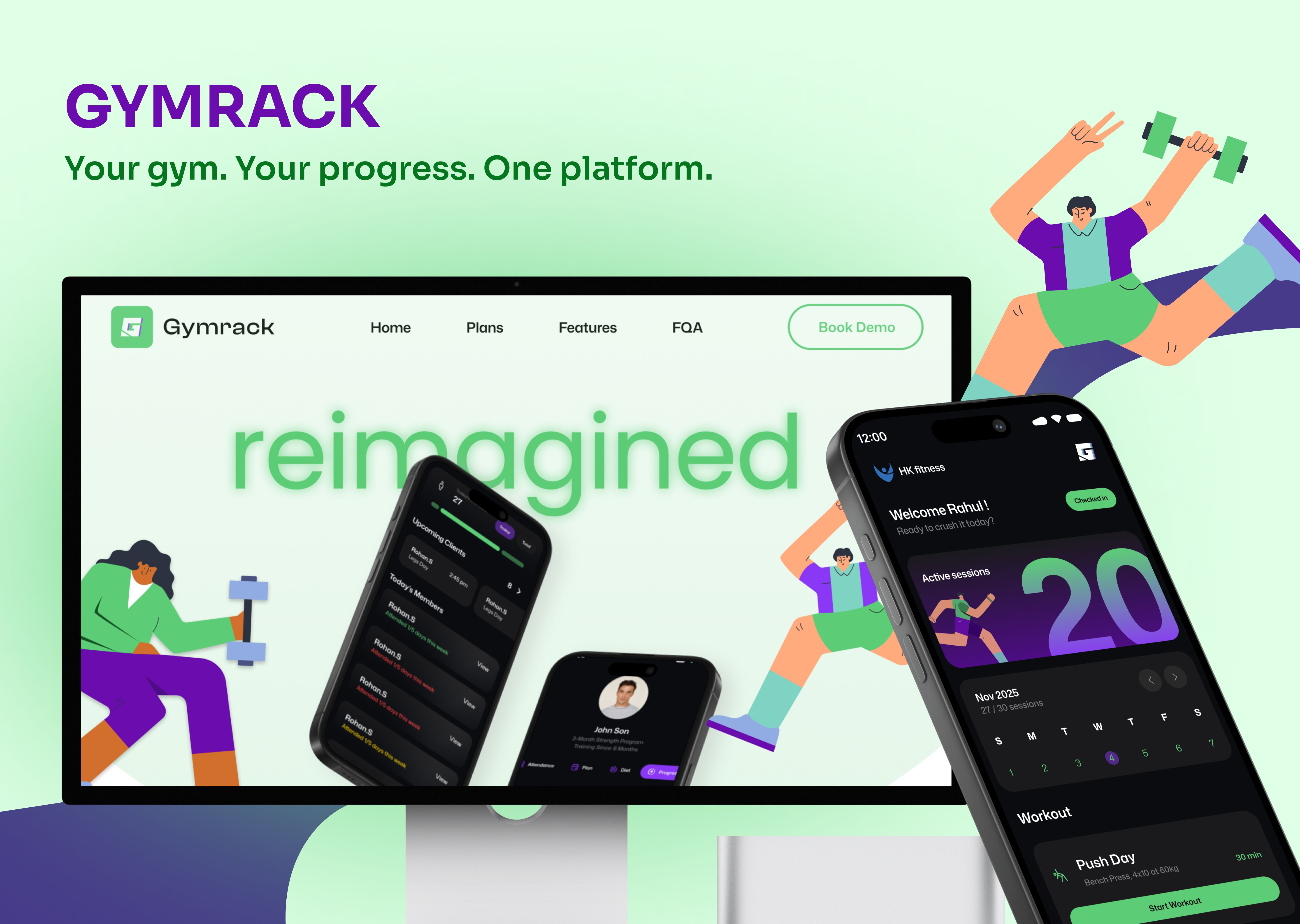
Stacknyu's published personal-training platform case study combines preference-led onboarding, live virtual coaching, secure checkout, a personalised dashboard, workout history, progress analytics, nutrition tracking, and calendar-based session creation. The implementation uses SvelteKit and Tailwind CSS on the frontend, with PocketBase and Go for platform data and a Node scheduling API. The key lesson is that the member journey and coach workflow were built as one product.
Frequently Asked Questions
What features does an online personal training platform need first?
Start with member onboarding, trainer availability, booking, payment state, session access, member records, and a simple way to assign and review progress. Add deeper automation only after the core workflow is dependable. A long feature list does not help if a member cannot tell what session is next or a coach cannot see the relevant context.
Should a fitness business build a custom coaching platform?
Use an established product when standard scheduling, plans, and payments fit the business. Consider a custom platform when the coaching workflow itself is a differentiator or existing tools force repeated manual work. The decision should include the ongoing responsibility for integrations, support, privacy, and product maintenance.
Related Reading
Live Fitness Coaching App Development: Sessions, Schedules, and Subscriptions