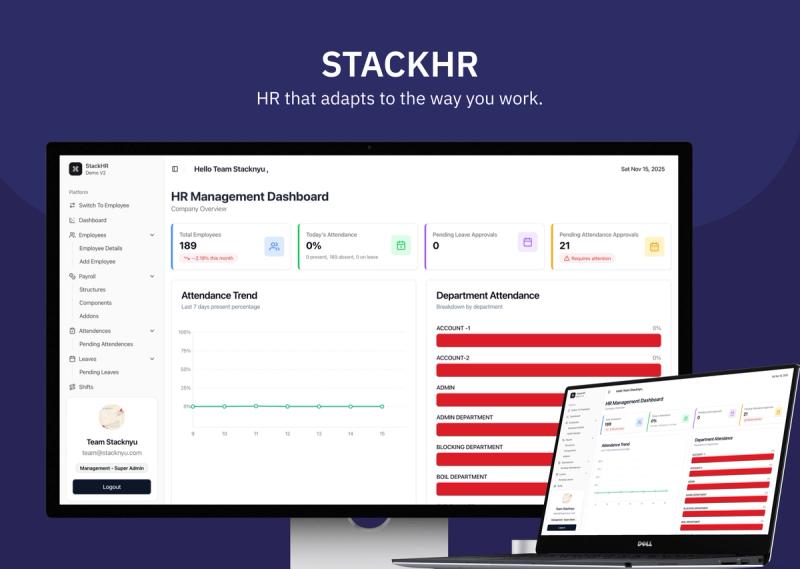
Your operation has its own rules. Your software should too.
When spreadsheets and off-the-shelf tools stop fitting, we build around the actual work: branches, permissions, approvals, legacy systems, and data that needs to stay under your control.
Describe the product or workflow, who uses it, and what is getting in the way. A few sentences are enough to start.
02
Work through the constraints
We review the users, existing systems, integrations, and deployment requirements with you before recommending an approach.
03
Agree the scope before the build
If there is a fit, we define the delivery stages, responsibilities, and estimate for your project. No invented timeline before we understand the work.
Let's make it real
Tell us what you need to build.
What should the software do, who will use it, and what is difficult today? Share enough context for a useful first conversation.
Good software starts with an honest fit.
Good fit
✓You need a team to design and build a working product.
✓Your roles, workflows, or integrations do not fit a generic tool.
✓You can involve someone who understands the business and its users.
Not a fit
−An existing product already solves your problem without significant workarounds.
−You are looking for a ready-made subscription, a template, or a job opening.
Before you enquire
Questions & answers
Do I need a complete specification before contacting you?
No. Start with the users, the problem, your current process, and any constraints you already know. We can discuss the missing details before deciding whether to scope a project.
How much will the project cost, and how long will it take?
That depends on the workflow, integrations, data, platforms, and delivery scope. We establish those boundaries before providing an estimate. A short project brief is a starting point, not a commitment to a build.
Can you work with our existing software?
Yes. Tell us what is already running, what must stay, and where it is failing. We can assess integrations, focused improvements, or a staged replacement rather than assume a full rewrite is necessary.
When is custom software the wrong choice?
Use an existing product when it already supports your process and the team can adopt it without major workarounds. Custom software makes more sense when your operational rules, integrations, or deployment constraints are a meaningful part of the problem.