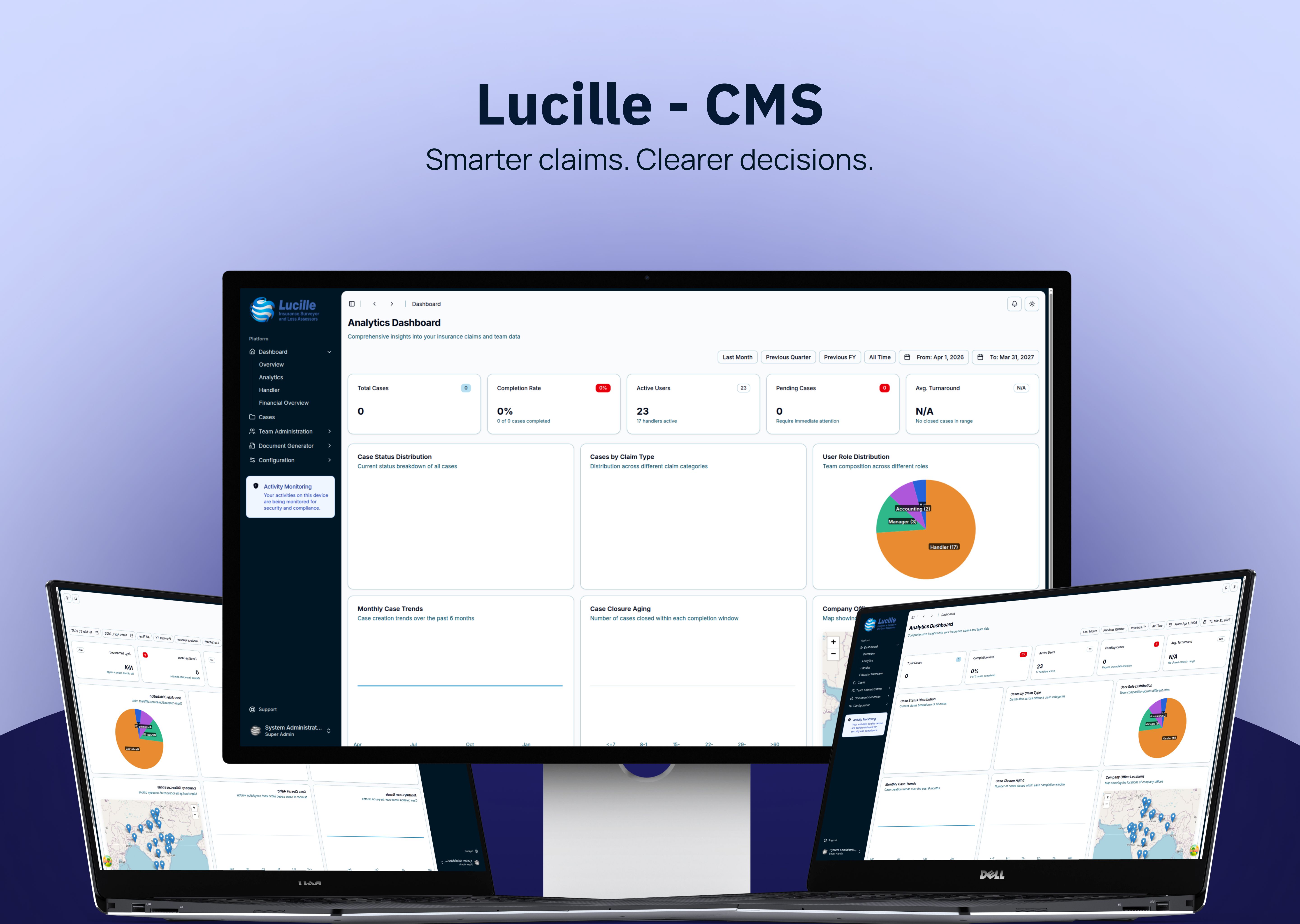
A Central Monitoring System (CMS) is an outsourced service: a third party supplies hardware, staffs a monitoring station, and verifies and escalates alerts on a bank's behalf. An in-house security platform does the same verification and escalation work, but runs on the bank's own hardware and stays inside the bank's own operations team. Neither is universally right — the decision comes down to branch count, hardware diversity, and how much of the security function a bank wants to own directly.
Who This Is For
- Banks currently using an outsourced CMS and evaluating whether to bring monitoring in-house
- Security and operations leaders weighing vendor lock-in against operational ownership
- Teams trying to understand what "PSIM" actually means versus a CMS versus a unified platform
- Anyone drafting a vendor evaluation for physical security monitoring
What a Central Monitoring System Actually Is
A CMS provider supplies alarm panels or receivers, staffs a monitoring room around the clock, and verifies and escalates alerts on behalf of every client on that hardware. It's typically the fastest way for a bank to get continuous monitoring without building an operations function of its own — and it's typically tied to that provider's own hardware.
What Changes When You Bring It In-House
The bank owns the event data directly instead of it living with a third party, there's no recurring per-branch monitoring fee, and hardware from multiple vendors and eras can sit on one platform instead of forcing standardisation. What it doesn't remove is the operational burden — someone still has to watch the dashboard, or the notification engine still has to reach the right person at the right time. An in-house platform replaces one operational responsibility with a different one; it doesn't eliminate it.
Where "PSIM" Fits Into This Language
PSIM, Physical Security Information Management, is the traditional industry term for software that unifies alarms, video, and access control into one interface. In India specifically, searching for "PSIM software" mostly surfaces an unrelated power-electronics simulation tool rather than security software, so in practice "unified security platform" or "central monitoring system software" are the more useful search terms. A CMS is a monitoring service; it may or may not run on PSIM-style software behind the scenes. The terms are related but not interchangeable.
Comparing the two models directly: a CMS means the vendor owns the hardware, the vendor staffs monitoring, the contract is typically a recurring per-branch fee, and it best fits banks with a small branch count on a single hardware vendor. An in-house platform means the bank owns the hardware already installed, the bank's own team staffs monitoring, the cost is a software licence or build plus internal staffing, and it best fits banks with a large, multi-vendor branch network and an existing operations function.
A Practical Way to Decide
If you don't already have a security operations team, don't build one just to run a monitoring dashboard — outsource it. If you already run 24/7 operations for other reasons, and your branch hardware already spans more than one vendor, bringing monitoring in-house usually pays for itself over a few years.
Case in Point
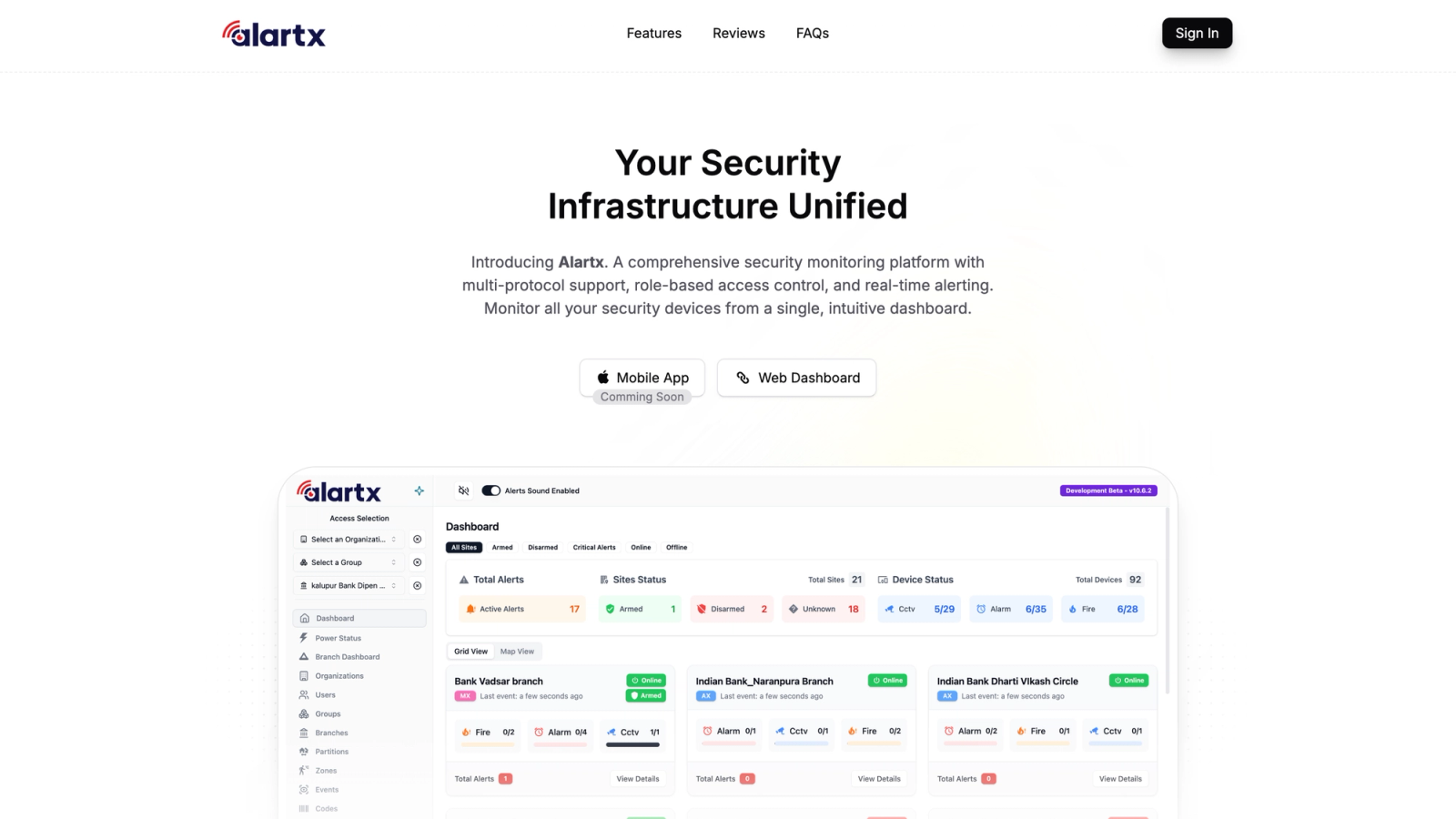
Alartx was built for banks that had outgrown the outsourced-CMS model: institutions with alarm and camera hardware from more than one vendor, an existing security operations function, and a preference for keeping monitoring data inside their own network. It replaces the CMS relationship with software the bank's own team operates directly, without requiring a hardware standardisation project first.
Frequently Asked Questions
Is an in-house security platform always cheaper than an outsourced CMS?
No. For a small branch network, an outsourced CMS is very often the cheaper and faster option, since it doesn't require a bank to build or staff its own monitoring function. The economics favour in-house as branch count and hardware diversity increase.
What does PSIM mean, and is it the same as a CMS?
PSIM (Physical Security Information Management) is the industry term for software that unifies alarms, video, and access control — a category, not a specific product. A CMS is a monitoring service, which may or may not run on PSIM-style software behind the scenes. They're related but not interchangeable.
Can we switch from an outsourced CMS to an in-house platform without replacing our hardware?
Usually yes, provided the alarm panels and cameras use protocols the new platform can integrate directly, such as SIA DC-09, Contact ID, or MQTT. The hardware itself rarely needs to change — what changes is who's watching the dashboard.
Do banks typically run a hybrid of both models?
Some do — keeping an outsourced CMS as a redundant or after-hours backup while running primary monitoring in-house. This is more common during a transition than as a permanent end state.