
- Case studies
- 2 connected
- Related reading
- 6 articles
Travel and hospitality
Travel & Hospitality software development
Booking, marketplace and operations software for travel businesses.
Industry overview
Built around real operating constraints
Travel businesses need software that follows the whole journey from enquiry to departure and settlement. A beautiful booking flow is only one part of the work. Teams also need connected tools for itineraries, bookings, travellers, documents, payments, suppliers, reminders and reporting.
We start with the operational source of truth. For a tour operator, that may mean connecting a confirmed booking to travellers, rooms, documents, payment status, invoices, vendor payments and departure reminders. For a marketplace, it may mean connecting packages, hosts, approvals, checkout, payouts, messaging and emergency workflows.
The architecture should reflect the business rather than hide it behind disconnected tools. Searchable tables, structured forms, derived statuses, permission-aware actions and reliable reminders often create more day-to-day value than another standalone dashboard.
The result should be practical software that helps travel teams move from enquiry to confirmed, documented, paid and operationally ready without asking staff to maintain the same facts in several places.
What we build here
We build tour operations CRMs, back-office systems and marketplaces that connect customer-facing itineraries and bookings to the records staff and suppliers use to run each trip.
Properties in this set
Where we usually come in
-
Tour operations and back-office systems
Keep bookings, travellers, rooms, crew, documents, payments, invoices and vendor payments connected.
-
Travel marketplaces and booking platforms
Support tours, guides, stays and packaged experiences with host approvals, checkout, payouts, messaging and emergency workflows.
-
Itineraries and proposals
Connect customer-facing plans and proposals to the operational records the team works from.
-
Team dashboards and reporting
Give teams role-aware dashboards, payment tracking, departure reminders, exports and reporting.
Deeds in this set
All case studies →Relevant work
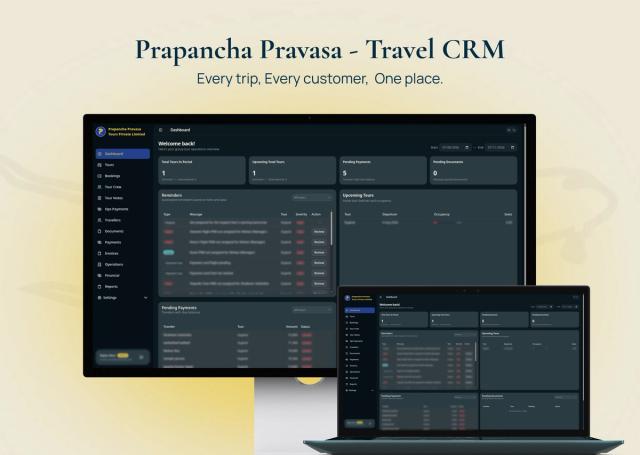
Tour operations CRM build
Prapanch Tour Operations CRM
Prapanch’s tour operations CRM replaces disconnected spreadsheets with a shared workspace for bookings, travellers, rooms, documents, payments and departure readiness.
- SvelteKit 2
- Svelte 5
- TypeScript
- Tailwind CSS 4
- shadcn-svelte
- TanStack Table
- Superforms
- Zod
- PocketBase
- Go
- Cloudflare Workers
- Docker
- GitHub Actions
- pdf-lib
- xlsx
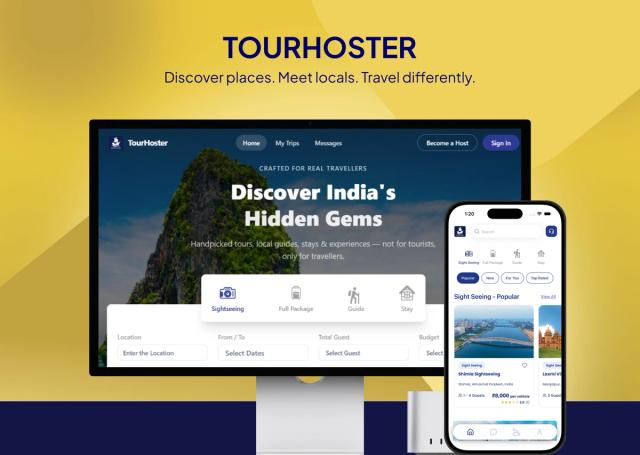
Marketplace across web and mobile
Tour Hoster
Tour Hoster brings tours, stays and local guides together on web, iOS and Android. Stacknyu built the marketplace for both sides of the trip: travellers who book and hosts who list experiences and get paid.
- SvelteKit
- TypeScript
- Tailwind CSS
- React Native (Expo)
- PocketBase
- Go
- Razorpay
- Cloudflare Pages
- Firebase Cloud Messaging
- Google Maps
Chance cards
All articles →Related reading
- Chance
Itinerary Builder Software for Travel Agents
- Chance
Tour Operator Software for Travel Agencies
- Chance
Travel Agency CRM vs Back Office Software
- Chance
Travel Booking App Development for Tours and Experiences
- Chance
Travel Marketplace Platform Development
- Chance
Travel Marketplace vs Booking Engine: What to Build
House rules
Frequently asked questions
Does Stacknyu build software for tour operators?
Yes. Stacknyu builds tour operations CRMs and back-office systems for bookings, travellers, rooms, documents, payments, invoices, vendor payments, reminders and reporting.
Can you build a travel marketplace as well as internal operations software?
Yes. Travel platforms can combine customer-facing marketplaces for tours, guides, stays and experiences with host workflows, approvals, checkout, payouts, messaging and emergency support.
When does a travel business need custom software?
Custom software becomes useful when spreadsheets or generic tools cannot connect the business's booking, document, payment, supplier, reminder or permission workflows in one reliable system.