The cost of building a music distribution platform is driven by the workflows behind delivery, not by an upload form alone. A serious product has to coordinate catalog metadata, store submissions, release dates, artist ownership, label permissions, royalty states, payments and partner integrations in one dependable system.
Who This Guide Is For
- Founders planning a distribution product for independent artists or labels.
- Record labels replacing spreadsheets and disconnected delivery tools.
- Media businesses that need a branded artist and catalog workspace.
- Teams deciding whether a standard distributor is enough or a custom platform is justified.
What Determines the Build Scope
The first scoping question is not how many screens the product needs. It is how much operational responsibility the platform will own. A lightweight artist portal can focus on uploads and release status. A distributor or label platform may also need catalog governance, delivery validation, royalty reporting, access controls, payout workflows and support for multiple business rules.
Distribution and Store Delivery
Store delivery is a product workflow with several states: draft, validation, scheduled, submitted, accepted, rejected, live and withdrawn. The platform needs a clear place for release metadata, artwork, audio files, territories, contributor roles, identifiers and delivery responses. Partner integrations also need monitoring because a release can be valid in one destination and require correction in another.
Catalog Data and Metadata Rules
Catalog complexity increases when the product supports albums, singles, contributors, territories, release dates, artwork, lyrics, identifiers and multiple versions of the same recording. A useful platform validates required data before delivery, keeps the correction path visible and preserves a reliable history of changes so teams can explain what was submitted and when.
Artist and Label Dashboards
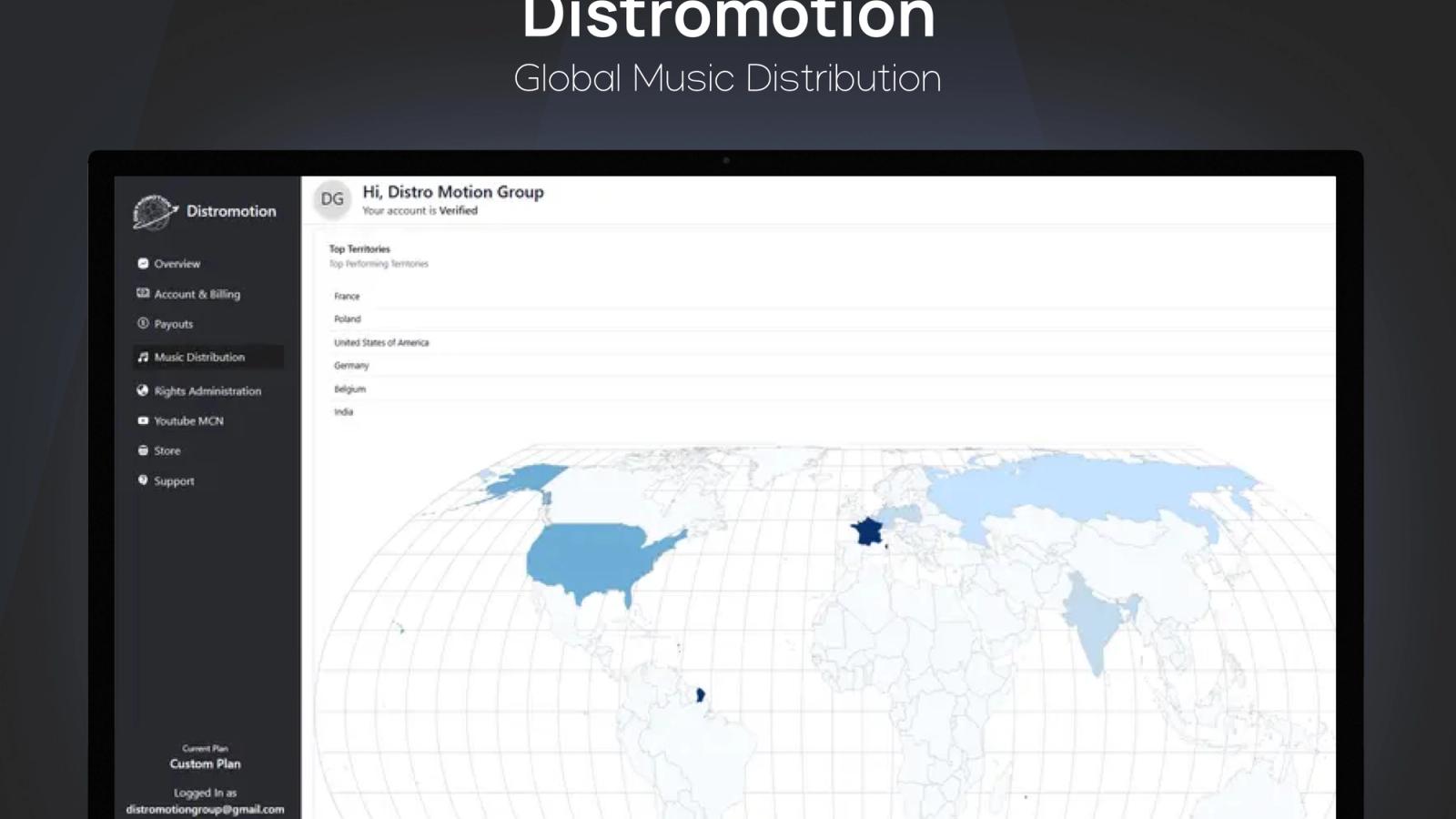
The dashboard is where the distribution engine becomes a usable product. Artists need to upload releases, schedule launches, review earnings and understand ownership. Labels need roster management, release approvals, team visibility, account permissions and a consolidated view of catalog activity. The interface should expose the next action for each release instead of hiding operational work behind a generic status.
Rights, Royalties and Payments
Rights and royalty requirements can change the data model more than the visual layer. The product may need ownership records, collaborator shares, collection partners, statements, payment setup, adjustments and an audit trail. These rules should be designed before the dashboard is polished because they influence permissions, reporting, notifications and every release-related action.
A Practical Architecture Plan
A sensible build separates the artist-facing application from the services that manage accounts, scheduling, payments, catalog data and partner integrations. The exact stack depends on the existing team and integration surface, but the boundaries should make release workflows observable, permissions explicit and partner changes isolated from the core experience.
The Custom-Build Trade-Off
A standard distributor is sensible when the requirement is basic delivery and the business does not need a differentiated rights or team workflow. A custom platform earns its complexity when ownership, label operations, partner integrations, scheduling or royalty visibility are part of the product itself. The honest scope is the smallest system that makes that differentiation real.
Case in Point
Distromotion combines an artist-facing dashboard, team and label management, scheduled releases, payment setup, rights administration and partner-supported royalty collection. The platform distributes to 300+ stores across 195+ countries while artists retain 100% ownership. Read the Distromotion portfolio case study for the product scope and technical approach.
Frequently Asked Questions
How much does it cost to build a music distribution platform?
There is no responsible single number without a scope. The major drivers are store integrations, catalog and metadata rules, artist and label permissions, royalty workflows, payment operations, analytics, partner APIs and the amount of custom administration the business needs.
What should a first version include?
Start with account roles, release intake, metadata validation, delivery status, scheduling, ownership records and a clear admin workflow. Add deeper analytics, automated royalty statements and additional partner services once the core release lifecycle is reliable.
Is a music distribution platform only an upload system?
No. Upload is the entry point. The product value comes from what happens before and after delivery: data quality, release scheduling, team review, store responses, ownership visibility, royalty operations and support for the people managing the catalog.