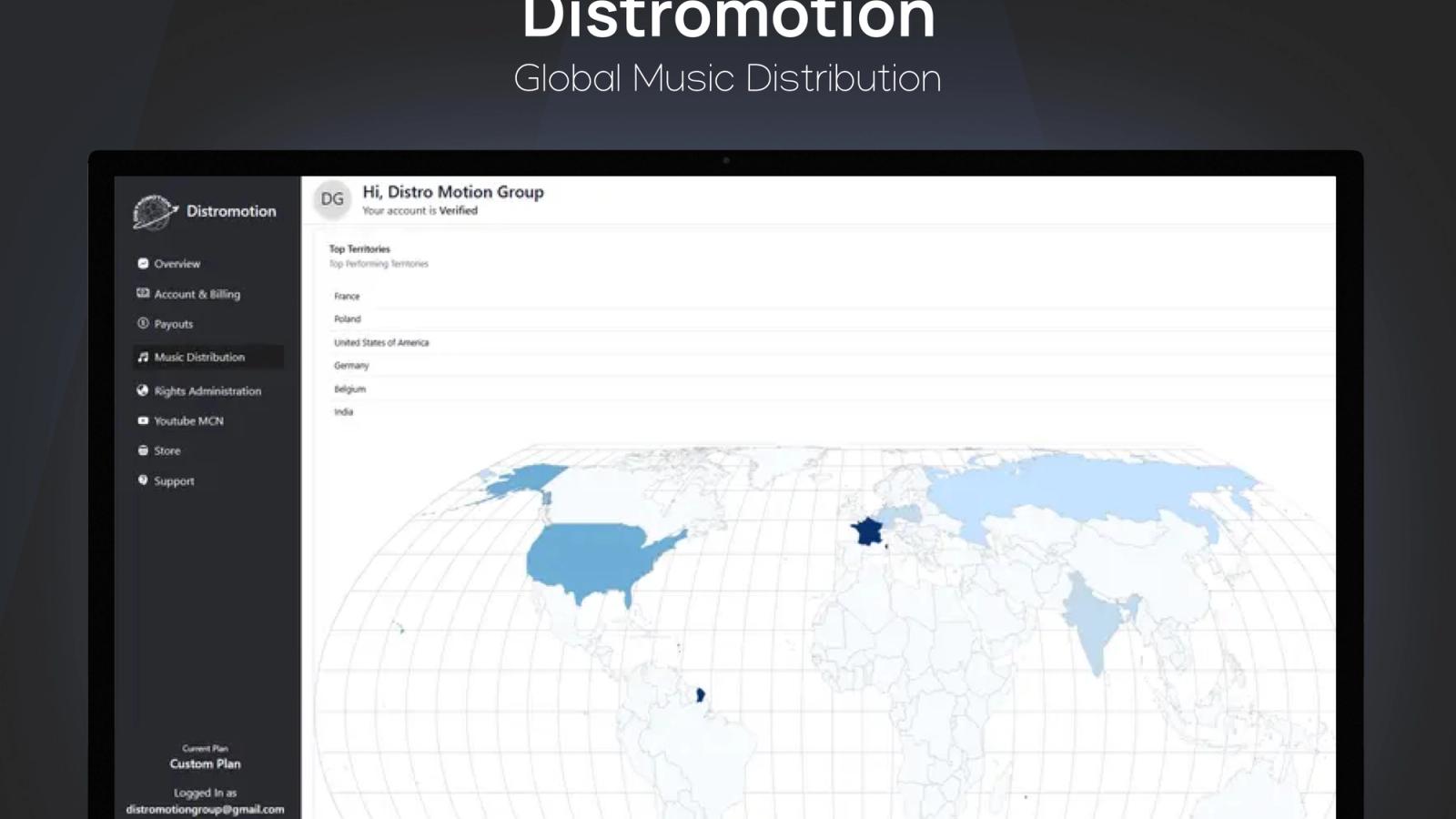
Music royalty software is not just a reporting screen. It is the system that connects ownership, contributor shares, release data, store reports, territory rules, collection partners, statements and payments. The best experience makes that logic traceable for artists and practical for the teams operating a catalog.
What the System Needs to Represent
- The recording, release, artist, label and contributor relationships.
- Ownership and royalty shares that can be explained at release level.
- Territory, store, revenue and reporting dimensions.
- Statements, adjustments, payment setup and a history of changes.
Normalize Reports Before Showing Them
Store reports rarely arrive in one perfect shape. A royalty platform should ingest source data, preserve the original record, normalize the fields needed for analysis and attach the result to the correct release and rights holder. The artist-facing dashboard can then show a consistent view without pretending the source systems are identical.
Make Splits Explicit
Collaborator shares should be visible as structured agreements rather than buried in notes. The system should show who receives a share, what release or recording it applies to, which revenue type it covers and whether the split is ready for reporting. Clear validation prevents a release from moving forward with incomplete or contradictory ownership data.
Account for Territories and Rights
Rights can vary by territory, partner and use case. Model the scope of a right, its effective dates, the relevant party and the action the platform should take when a conflict appears. This is also where content administration and distribution meet: the release workflow needs enough rights context to know what can be delivered and where.
Build Statements People Can Verify
A statement is more useful when the recipient can trace it back to releases, stores, territories, shares and adjustments. Give operators a way to inspect the calculation inputs and give artists a concise explanation of how the displayed amount relates to their catalog. Auditability is a trust feature, not an internal-only concern.
Connect Collection and Payment Workflows
Collection partners and payment providers may handle different parts of the process. The product should keep those responsibilities clear, record the current state and show the next action when a payment method, verification step or statement review is incomplete. A clean handoff is better than a dashboard that implies everything is settled when it is not.
Add Rights Services Without Losing the Core Model
YouTube MCN services, licensing support and monetization workflows can sit beside the main distribution product when they use the same catalog and ownership model. Keep each service's status and rules explicit so an artist can see whether a track is being delivered, licensed, identified or monetized without mixing those states together.
Case in Point
Distromotion pairs global music delivery with rights administration and royalty collection partnerships. Its artist-facing platform supports uploads, earnings, team and label management, payment setup, scheduled releases and YouTube MCN services while preserving 100% artist ownership. Read the Distromotion portfolio case study to see how those concerns fit into one product.
Frequently Asked Questions
What is music royalty split software?
It records rights-holder shares, applies them to relevant releases or revenue, supports statement generation and helps teams prepare accurate payments. The exact rules depend on the catalog and agreements the platform must support.
Why should royalty calculations be auditable?
Artists and labels need to understand how a statement was produced. An audit trail also helps operators resolve disputes, correct source data and explain the effect of a change without rebuilding the calculation from memory.
How do rights systems support music distribution?
Rights data informs who can distribute a release, where it can be delivered, which services apply and how revenue should be reported. Connecting rights to the release lifecycle reduces avoidable corrections and makes ownership visible to the people using the platform.
Should a royalty platform show every calculation detail to artists?
Artists need a clear explanation and enough detail to trust the result. Operators may need the full source records and calculation steps, while the artist view can prioritize the release, revenue, share and status that answer the immediate question.